


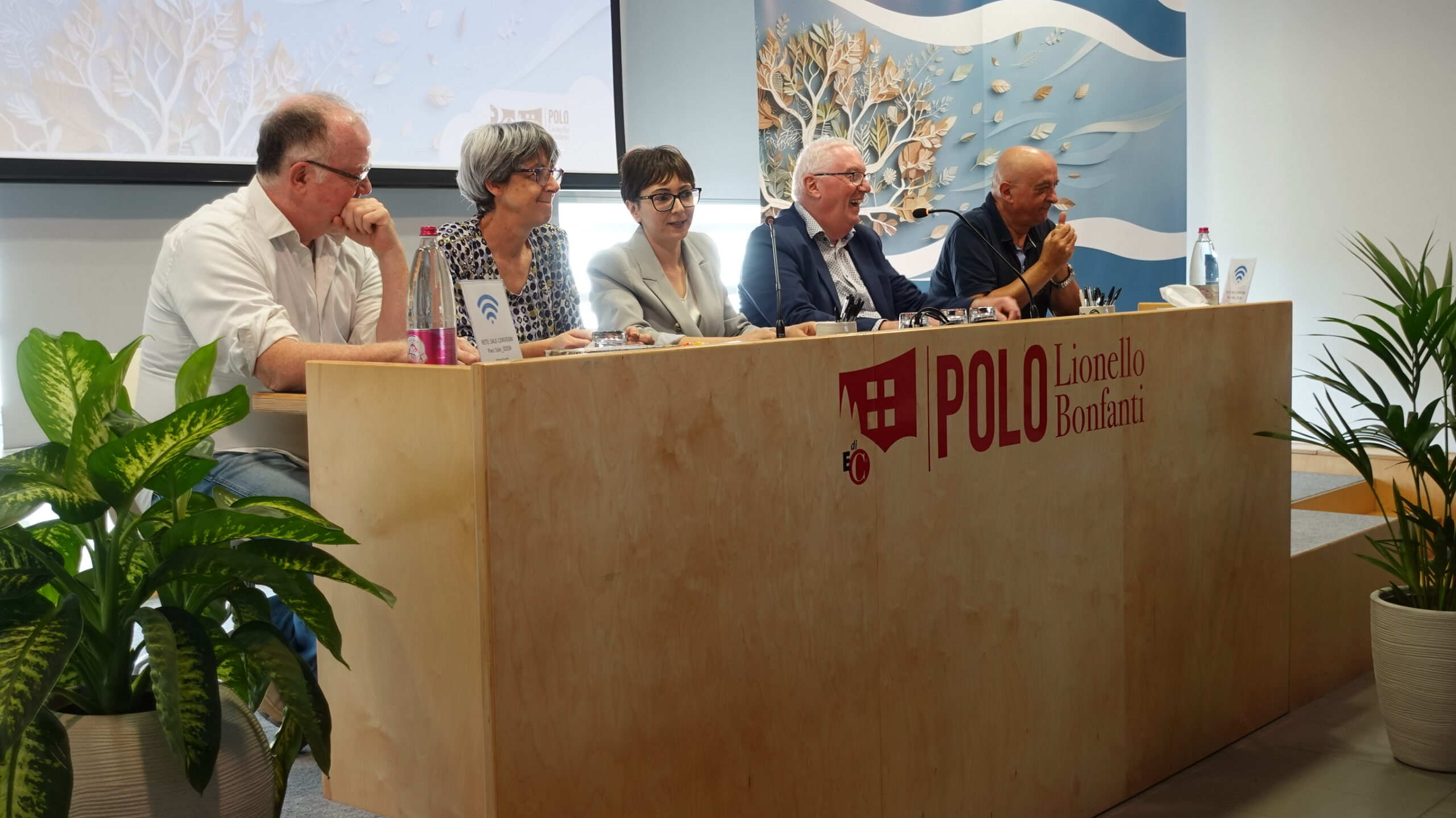
An occasion for celebration and in-depth reflection, coinciding with the business centre’s anniversary and the 35th anniversary of the Economy of Communion. A fitting opportunity to look back on the journey so far and to commit to identifying new avenues for development.
by Paolo Lòriga
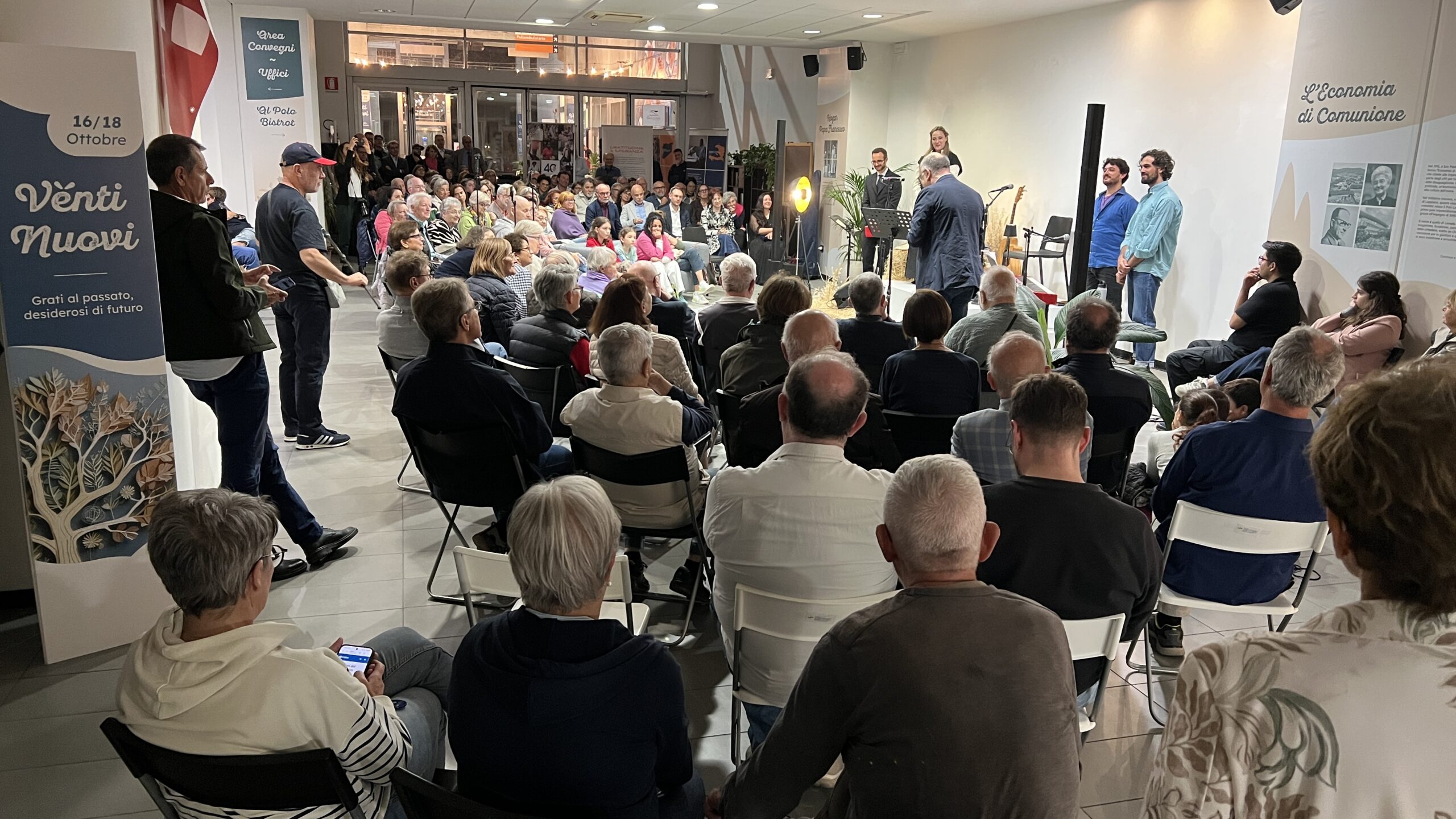
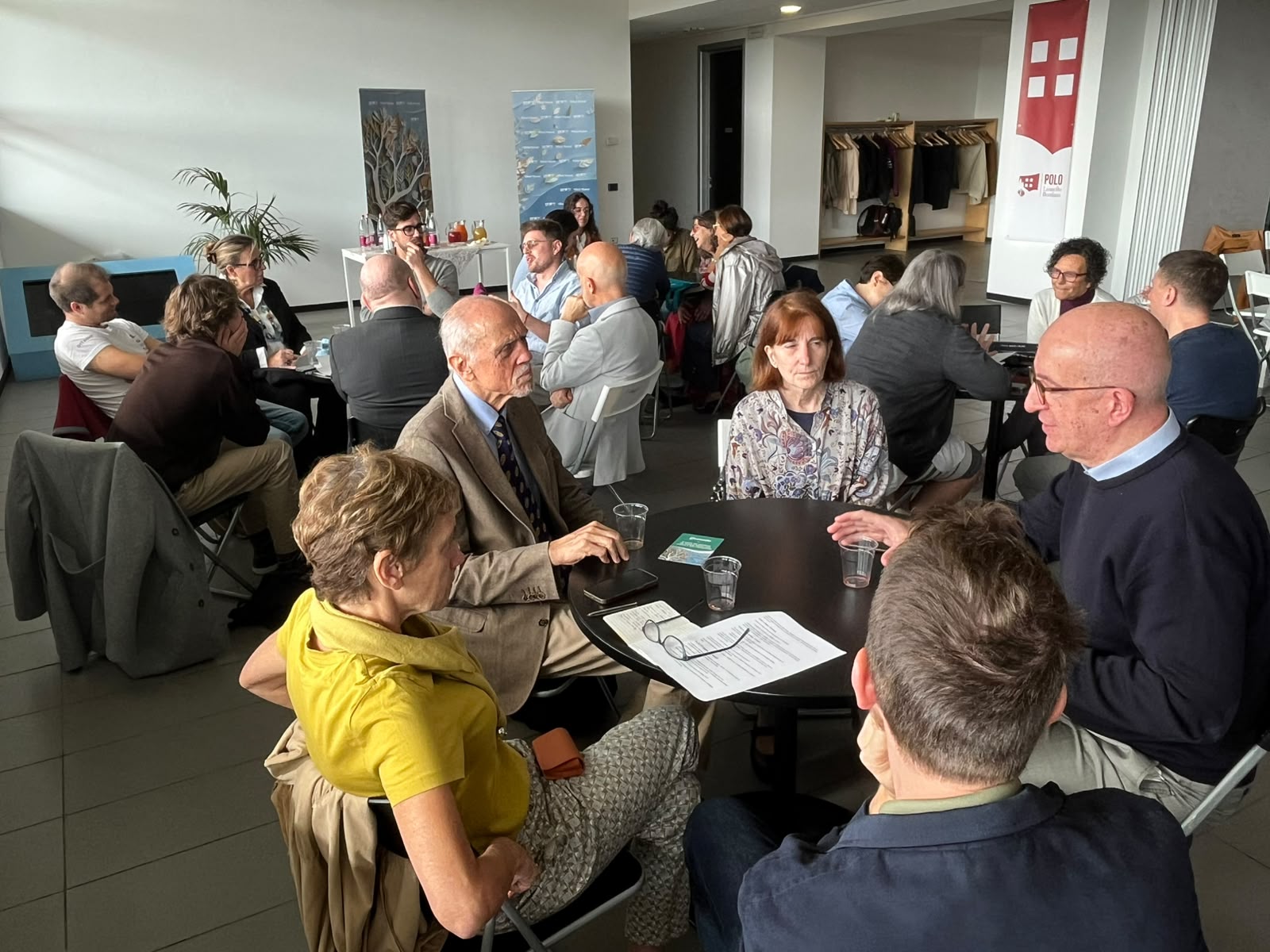
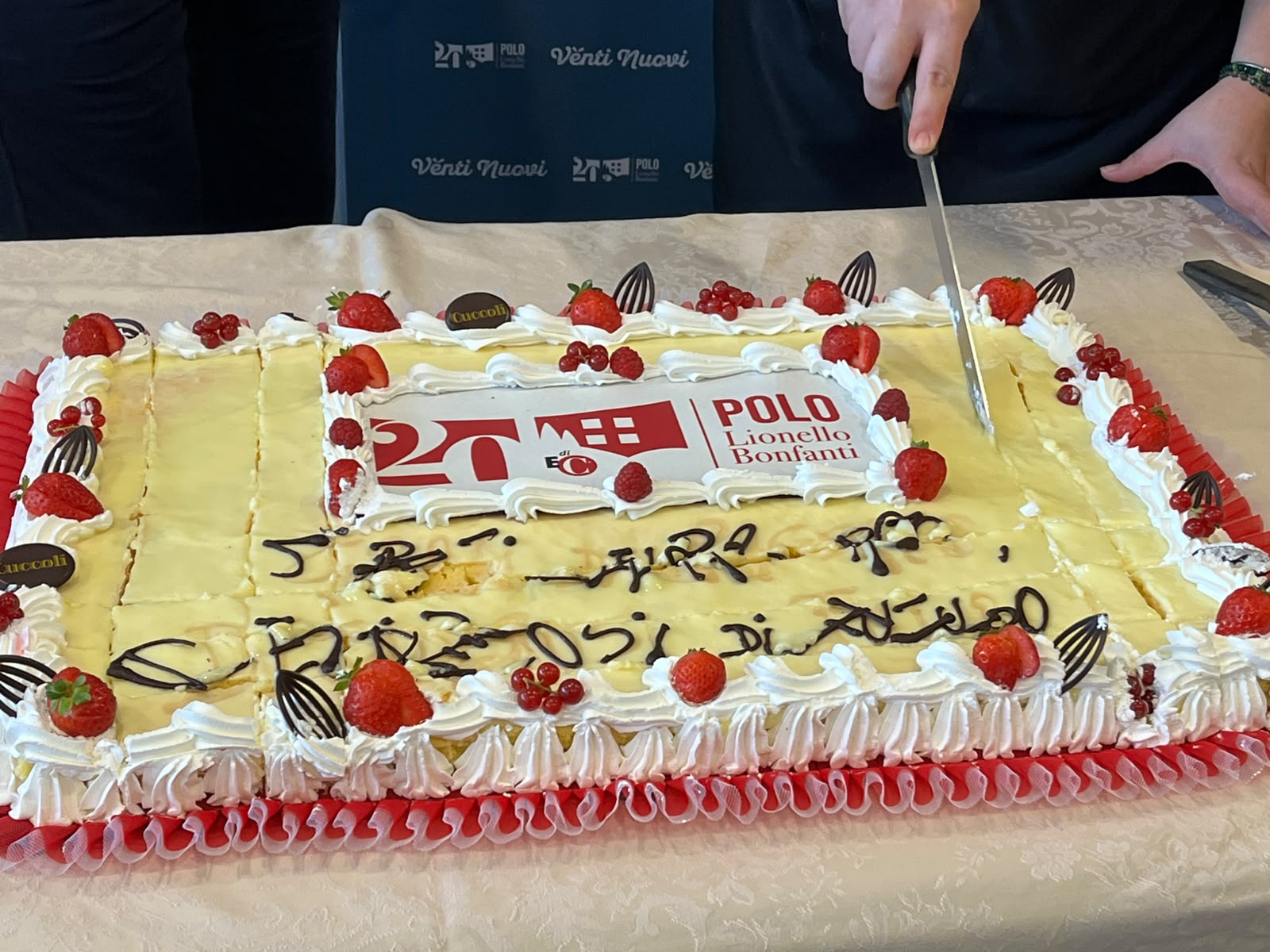
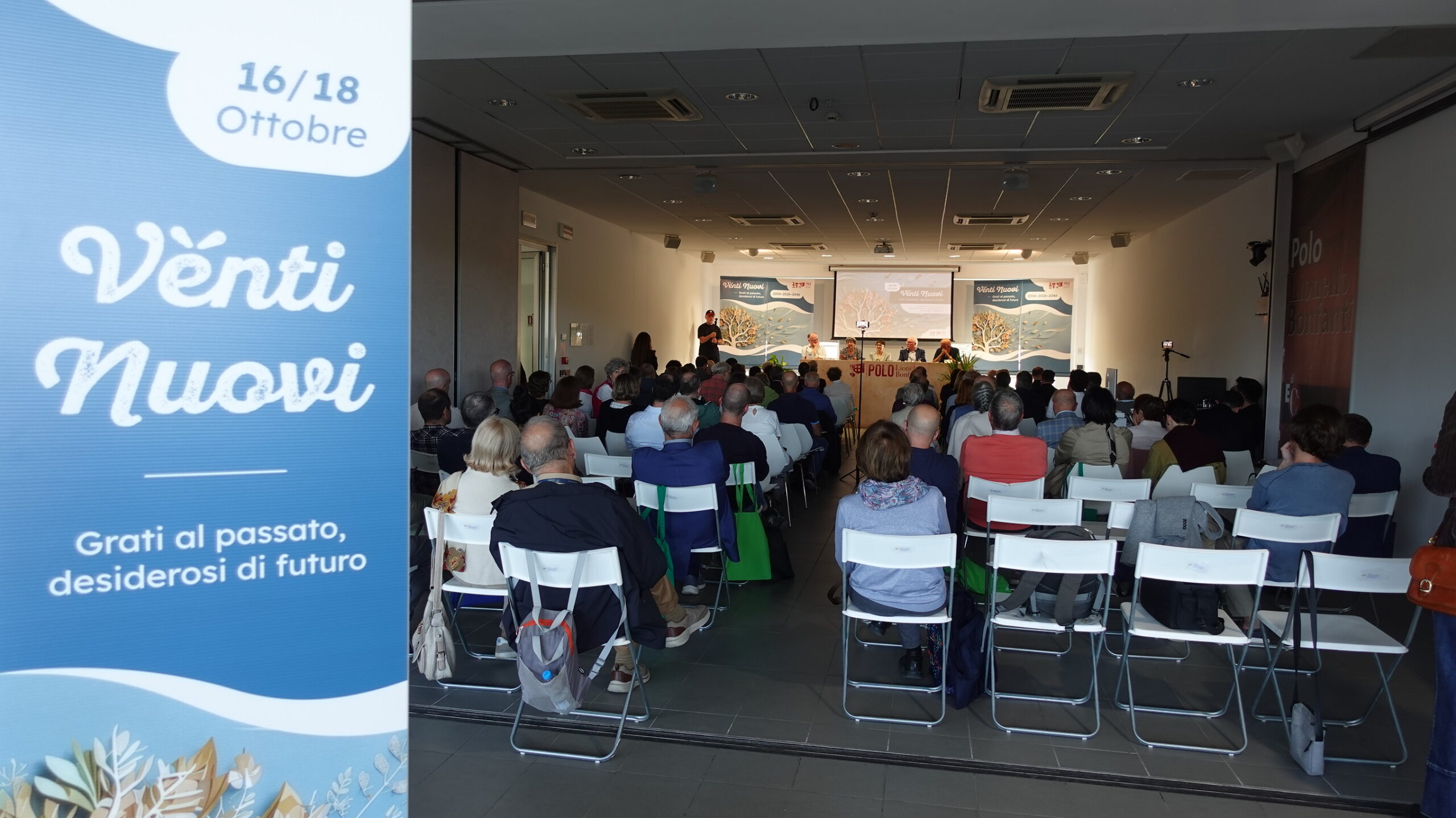
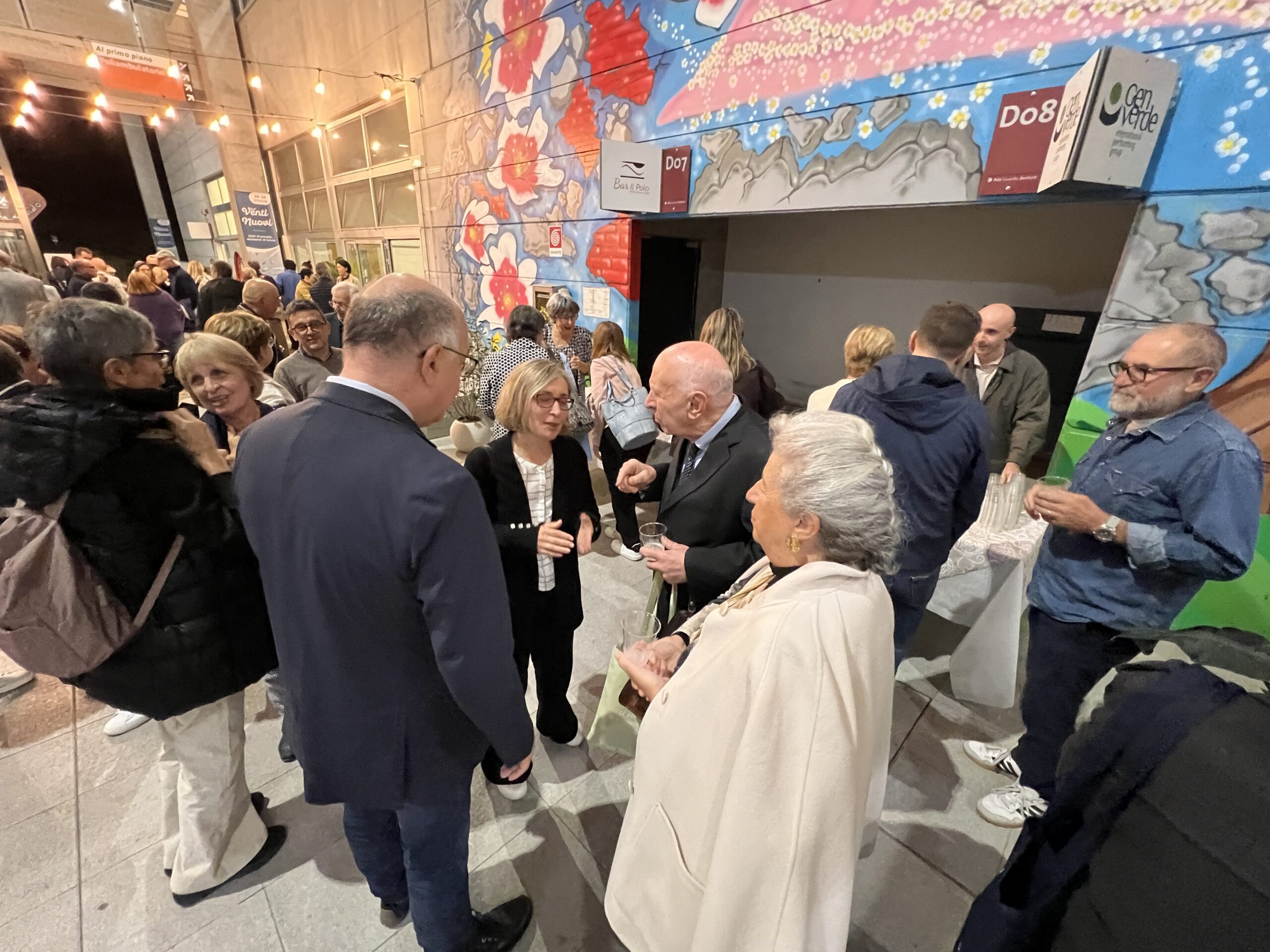
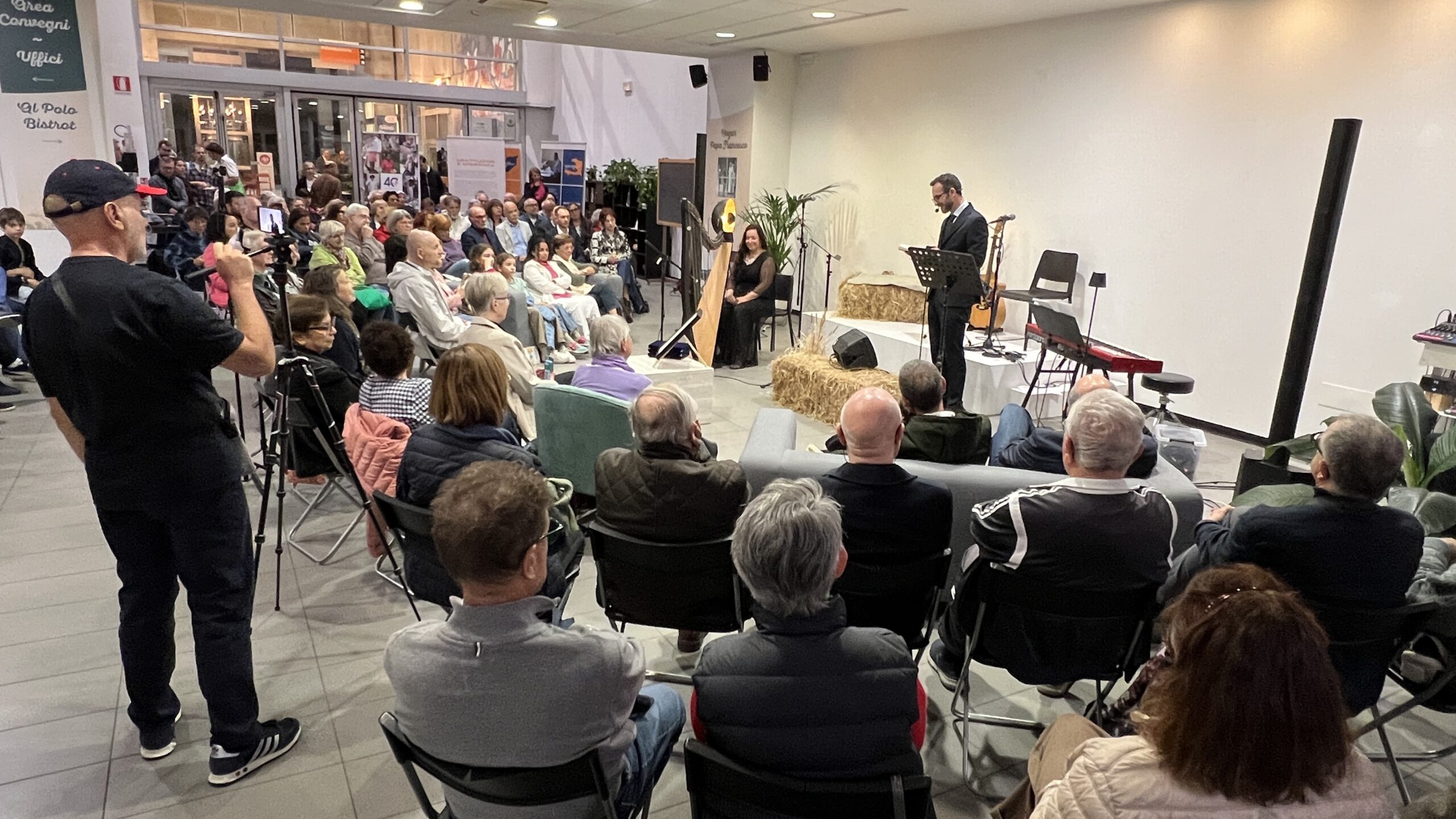
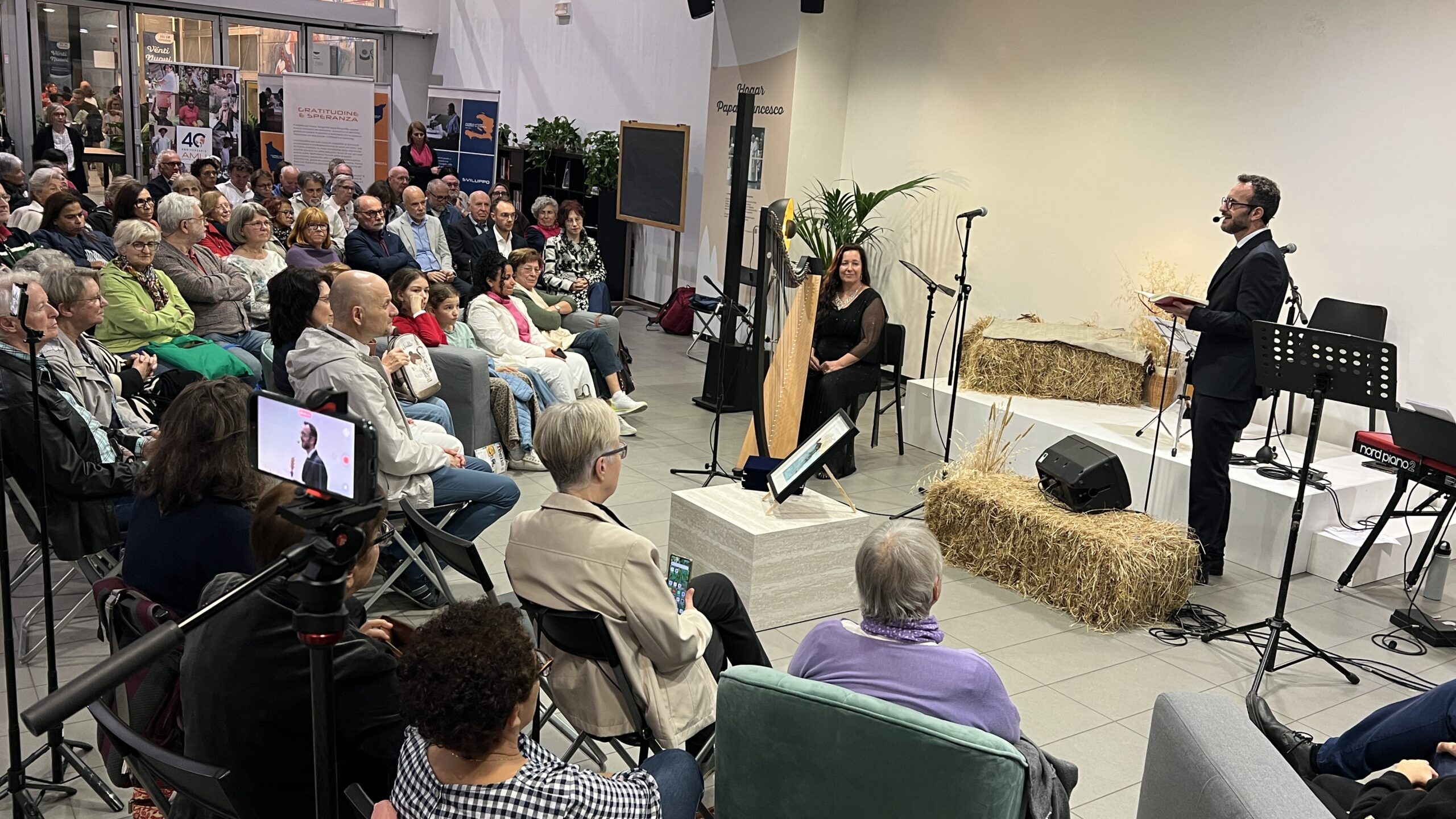
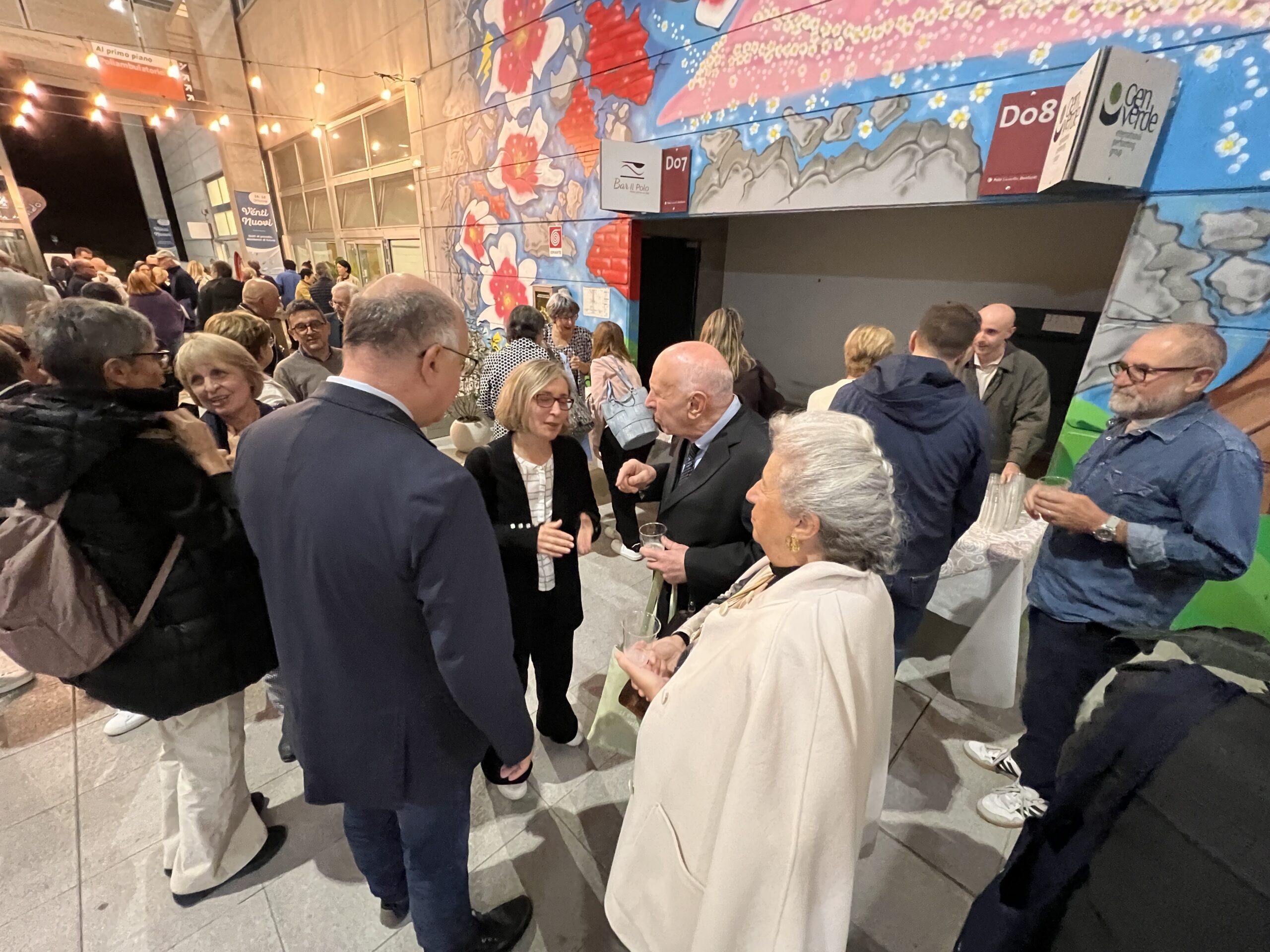
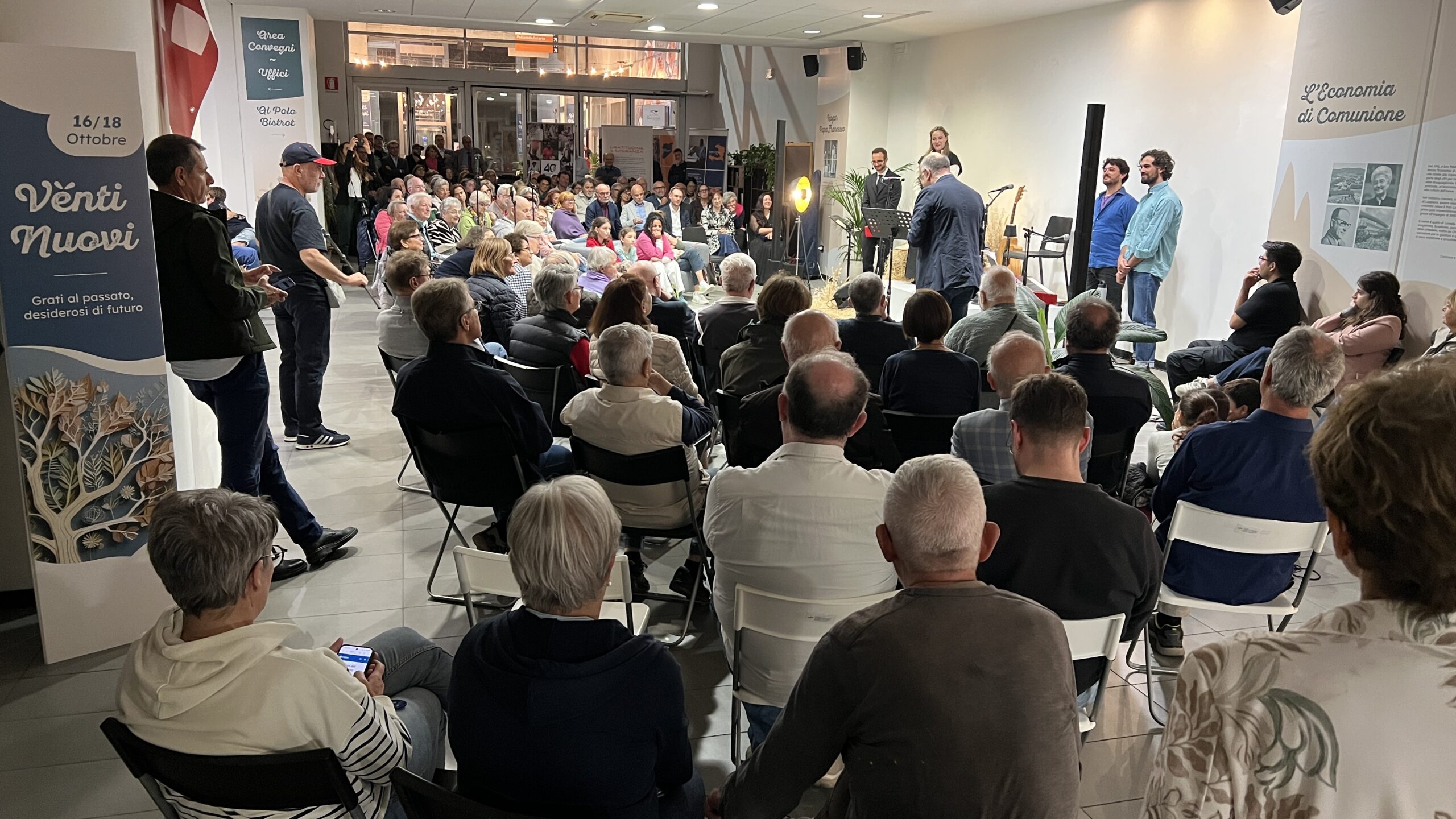
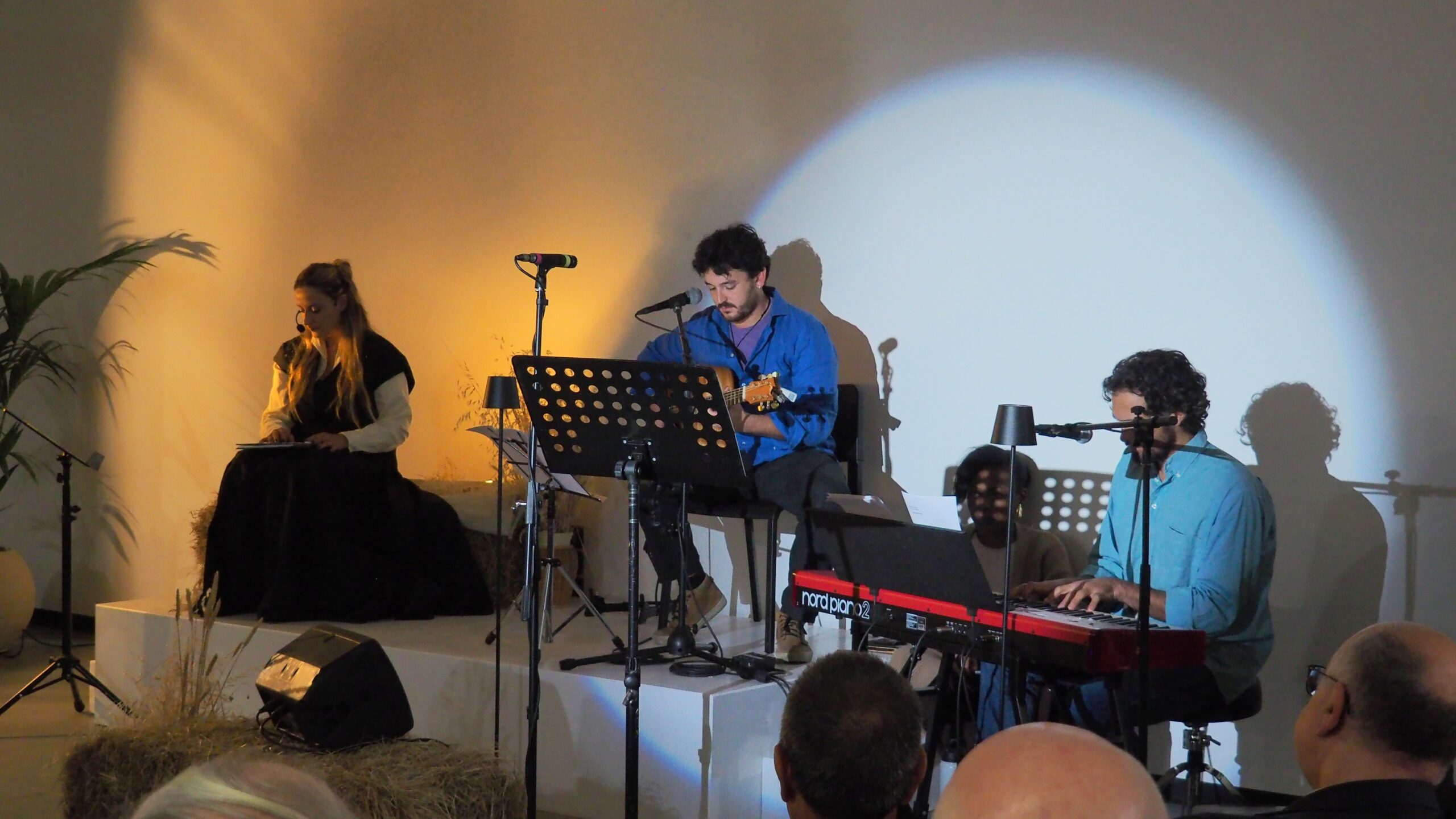
Twenty years is always a milestone rich in significance. Imagine, then, for an organisation as innovative for the economy, as counter-current to business culture, and as alien to the logic of capitalism as the Polo Lionello Bonfanti. It could easily have turned out to be a ‘flop’. Instead, the first two decades of its existence were celebrated, albeit modestly, with a Convention (16–18 October), which brought together people from all over Italy as well as numerous experts. On this occasion, the 35th anniversary of the Economy of Communion was also celebrated, of which the Centre is an eloquent offshoot.
The title “Venti Nuovi” (New Winds/Twenty Winds), playing on the dual meaning of the term depending on whether a grave or acute accent is used, referred both to the two decades of the Centre’s journey and to the commitment to harness new winds to move forward into the future. This called for a fitting look back at the past, as Koenraad Vanreusel, Chairman of the Board of Directors of EdiC spa, which manages the Centre, did. He recalled the crucial initial contribution of over 5,600 members, “who believed in the Centre, paying their membership fees without expecting a financial return”. Today, the Centre is home to over 40 companies and serves as a focal point for EoC enterprises in Italy.
Over these two decades, the Centre – despite the burden of the initial mortgage – has grown, giving rise to the School of Civil Economy, the School of Biblical Economy and the School of Plant-Based Economy. It is home to The Economy of Francesco and an incubator for a different kind of economy aimed at young entrepreneurs. This was highlighted in a pre-recorded video message by Sister Alessandra Smerilli, an economist, who attended the Centre’s inauguration in 2006 and is now Prefect of the Dicastery for Promoting Integral Human Development.
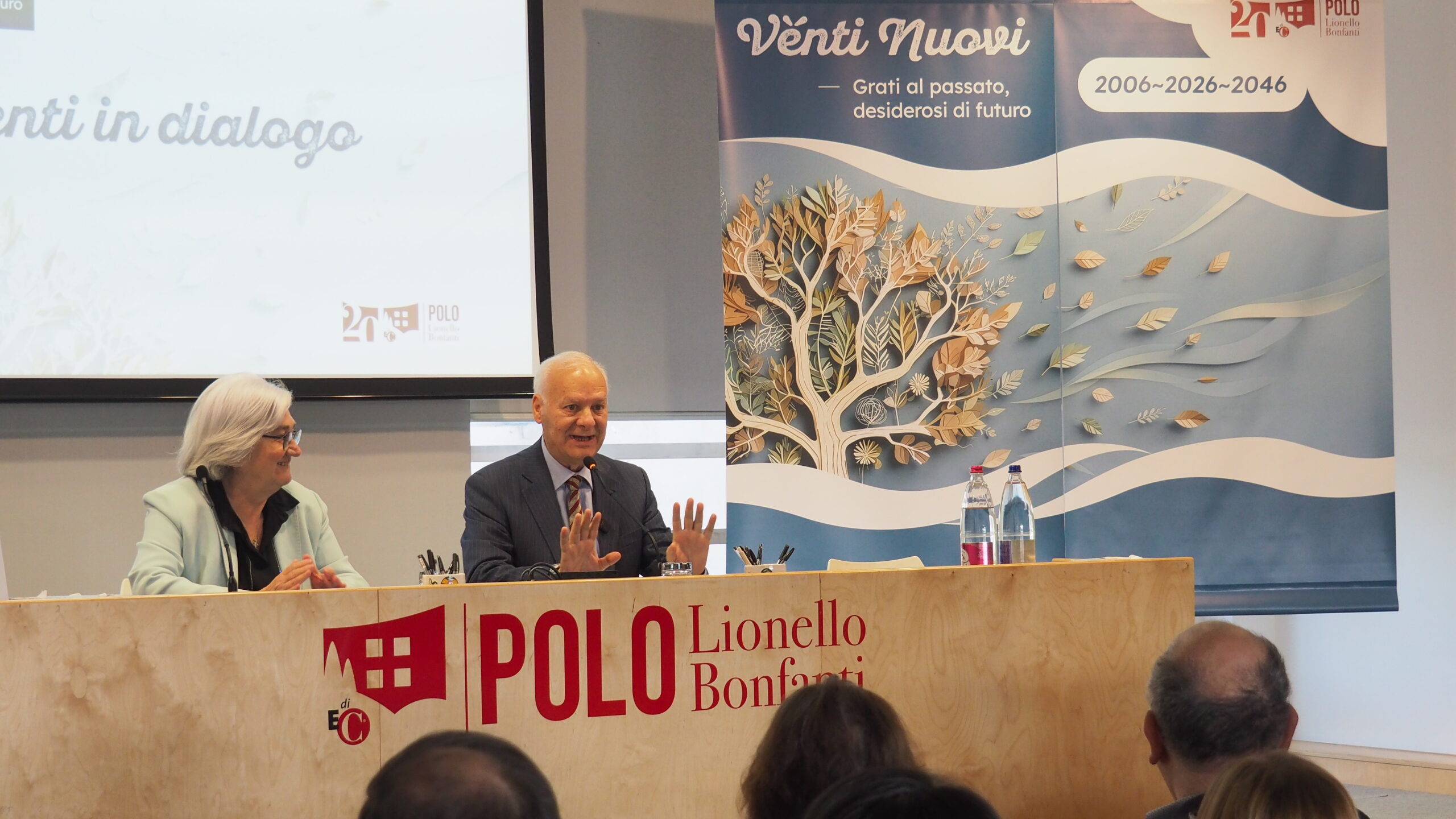
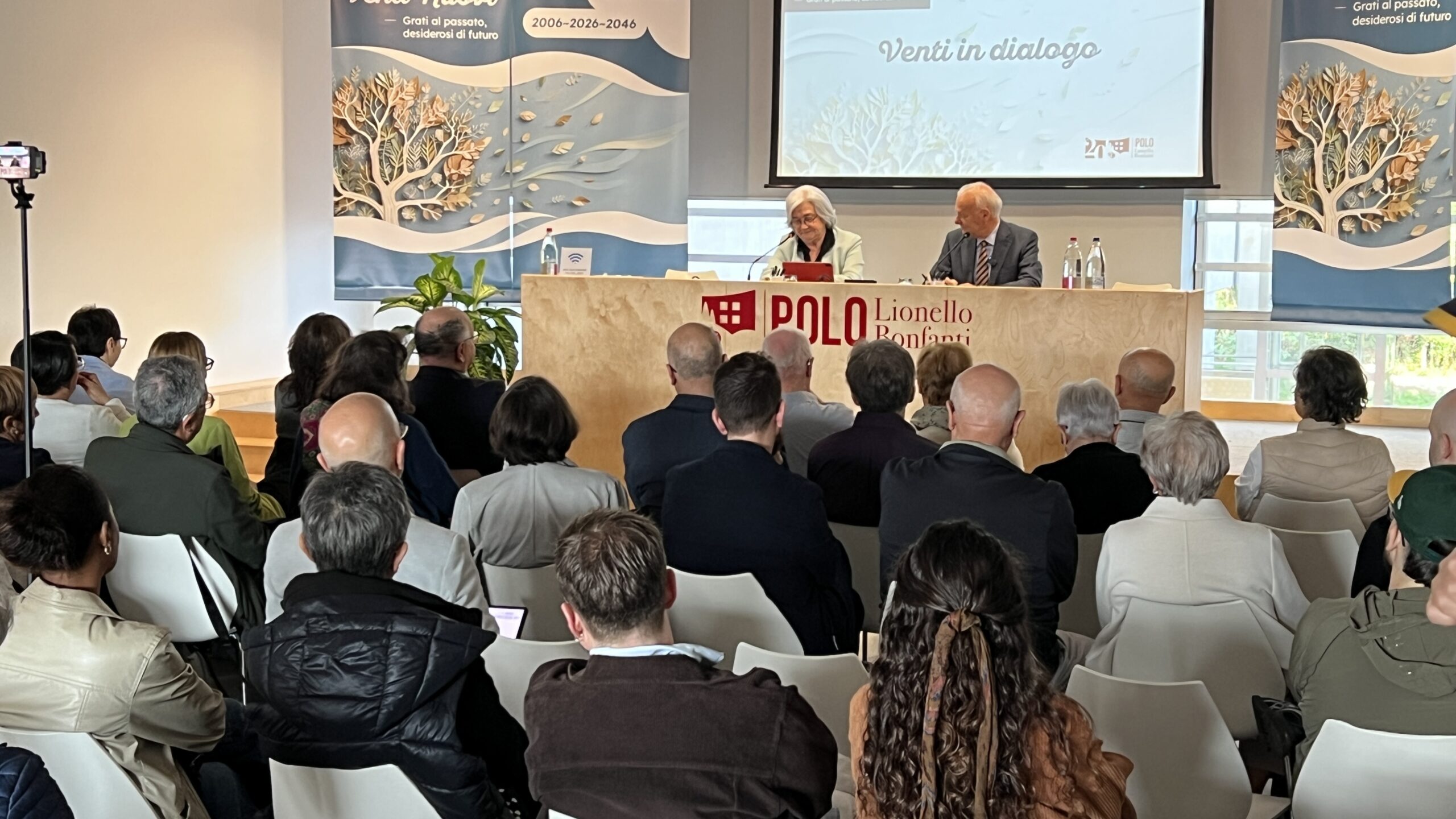
Economist Stefano Zamagni pointed out that the Centre bears witness to ‘the “sins” of mainstream economic theory, because it emphasises that human beings are relational and social beings; that ethics and economics bear more fruit when held together; that the Common Good, rather than profit, must be maximised; and that in the social order, the bipolar state-market model is not enough, but authoritative and autonomous social bodies and communities are needed as a third party’. He went on to comment that “there are signs in the economic landscape pointing in this direction, and the EoC is an active player in this regard”.
Photo gallery
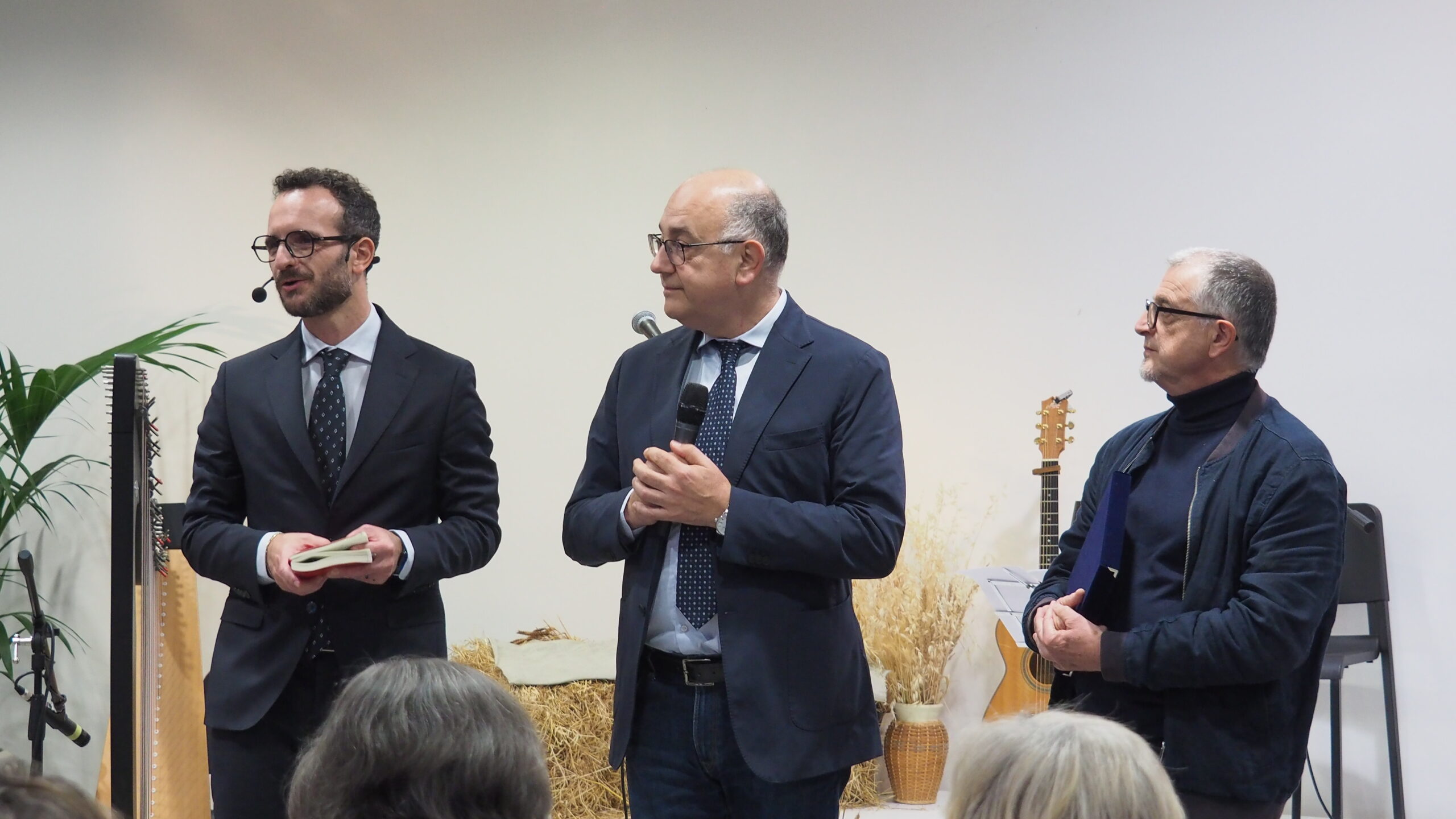
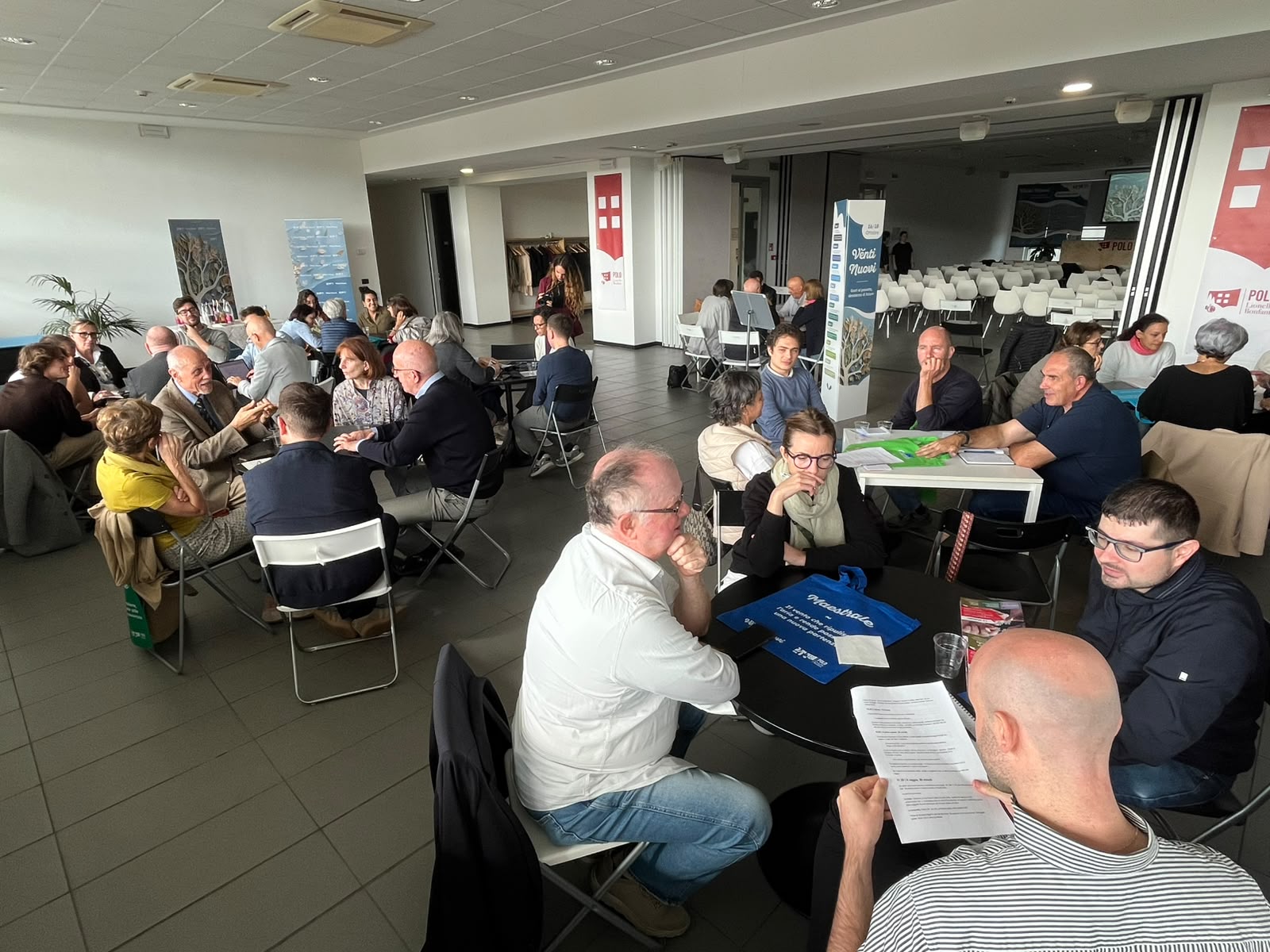
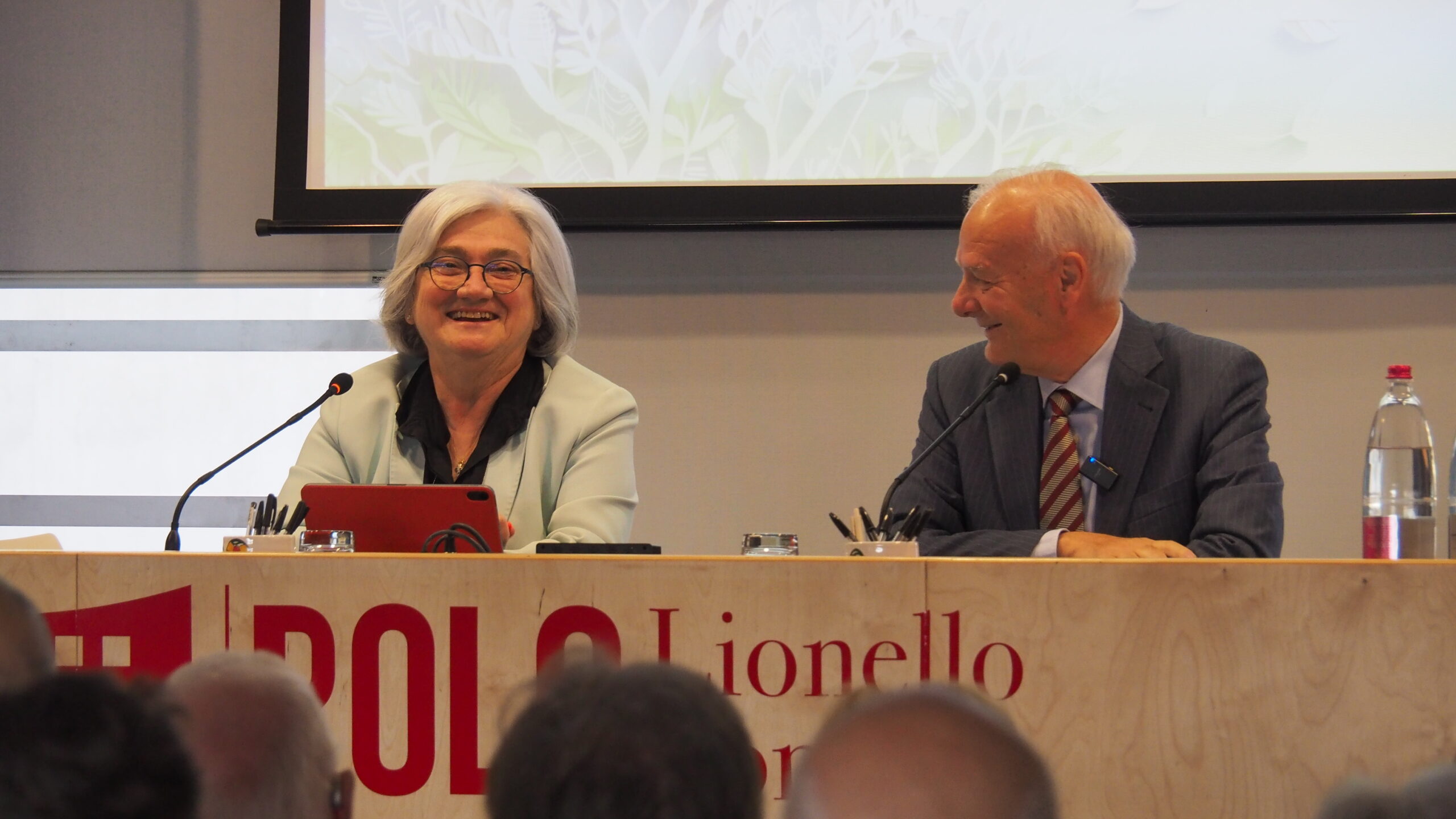
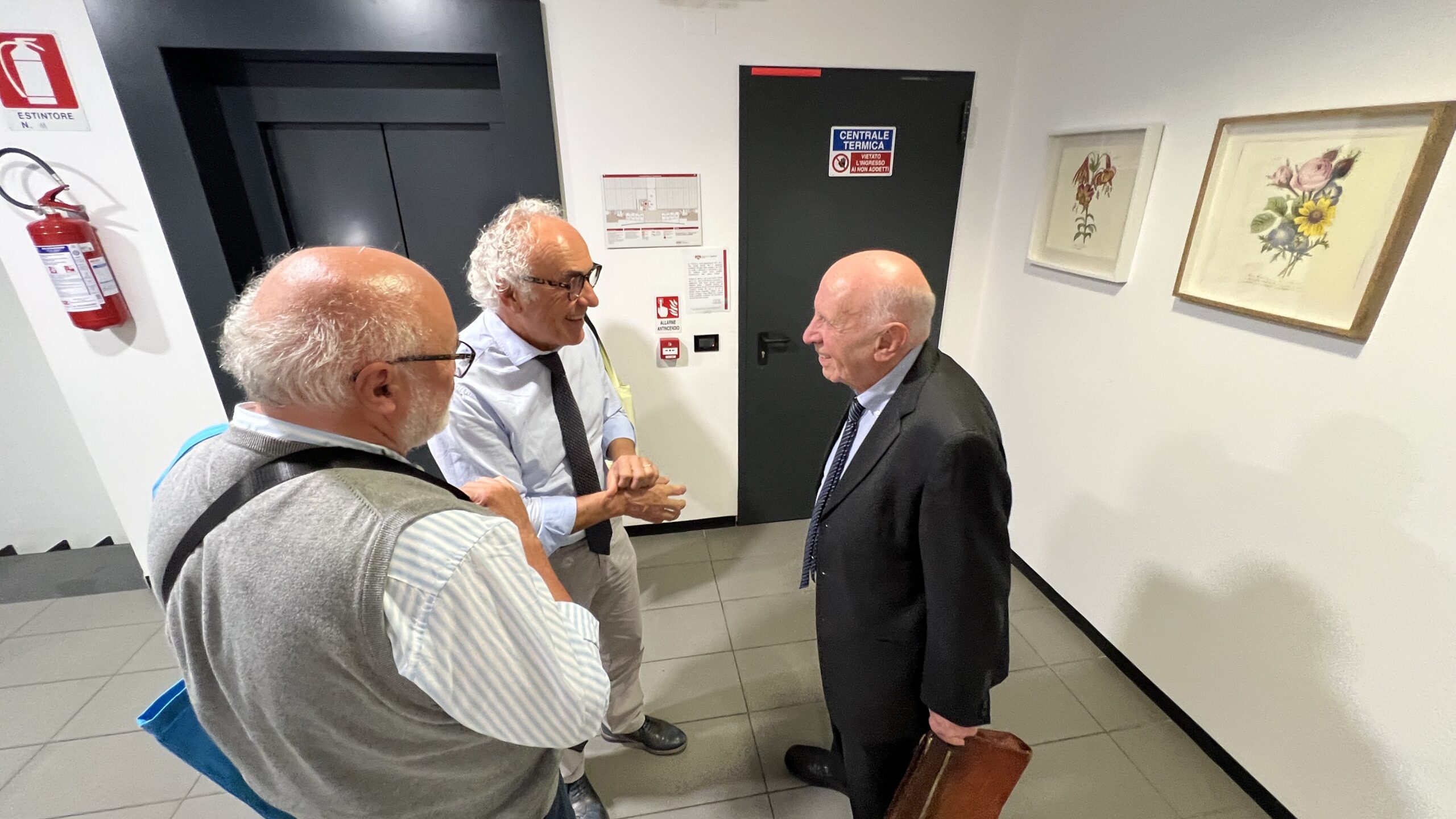
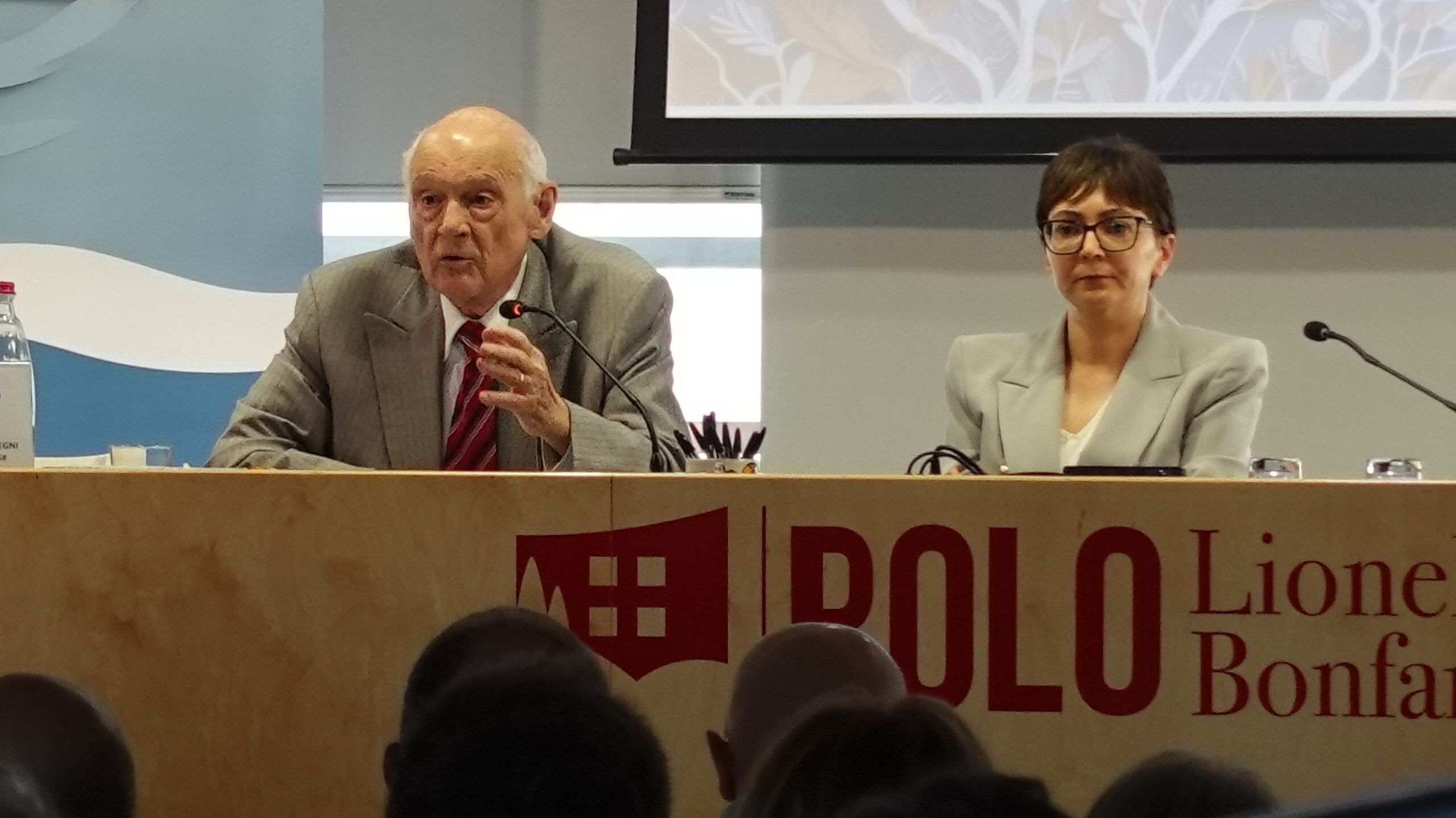
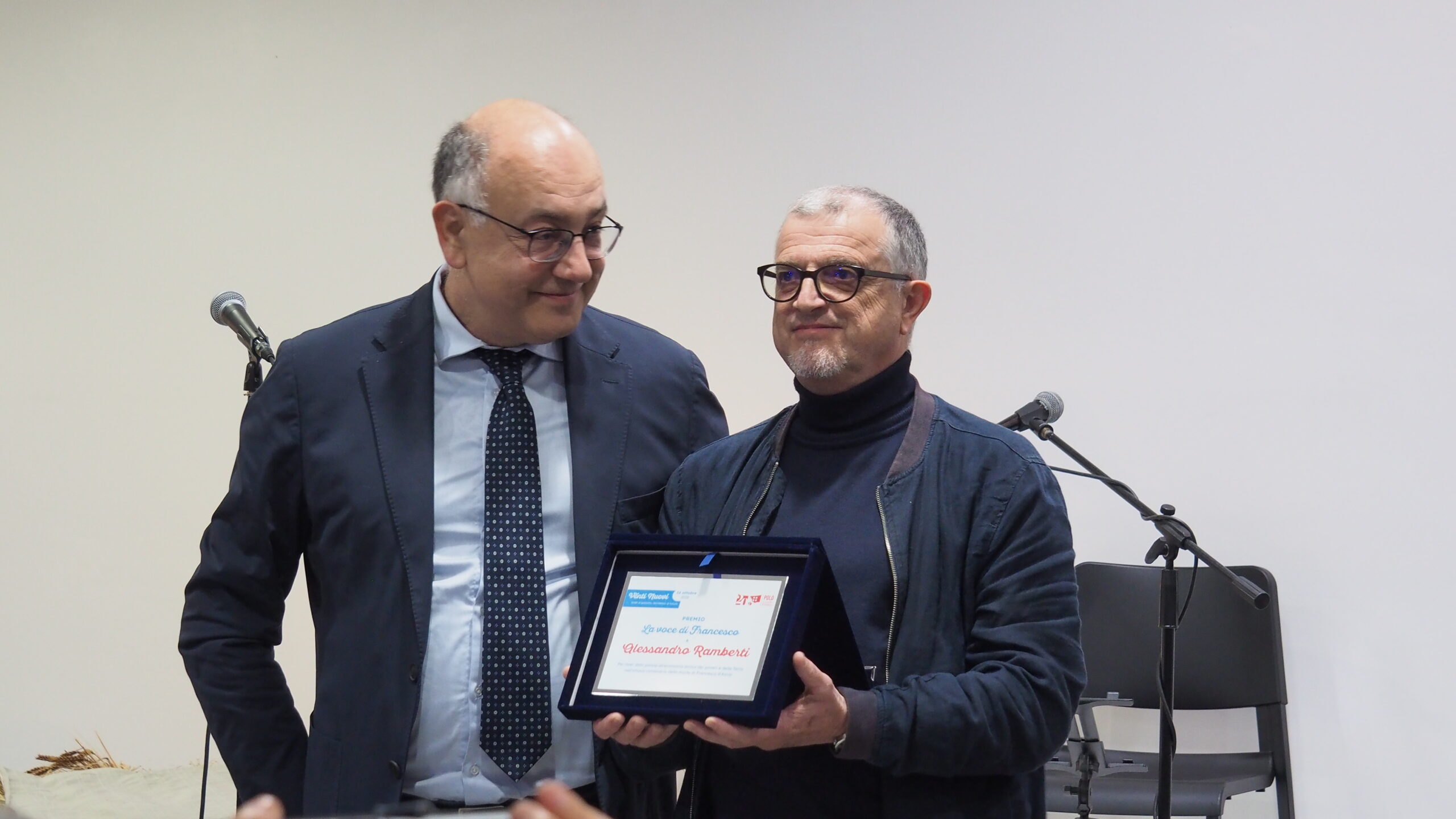
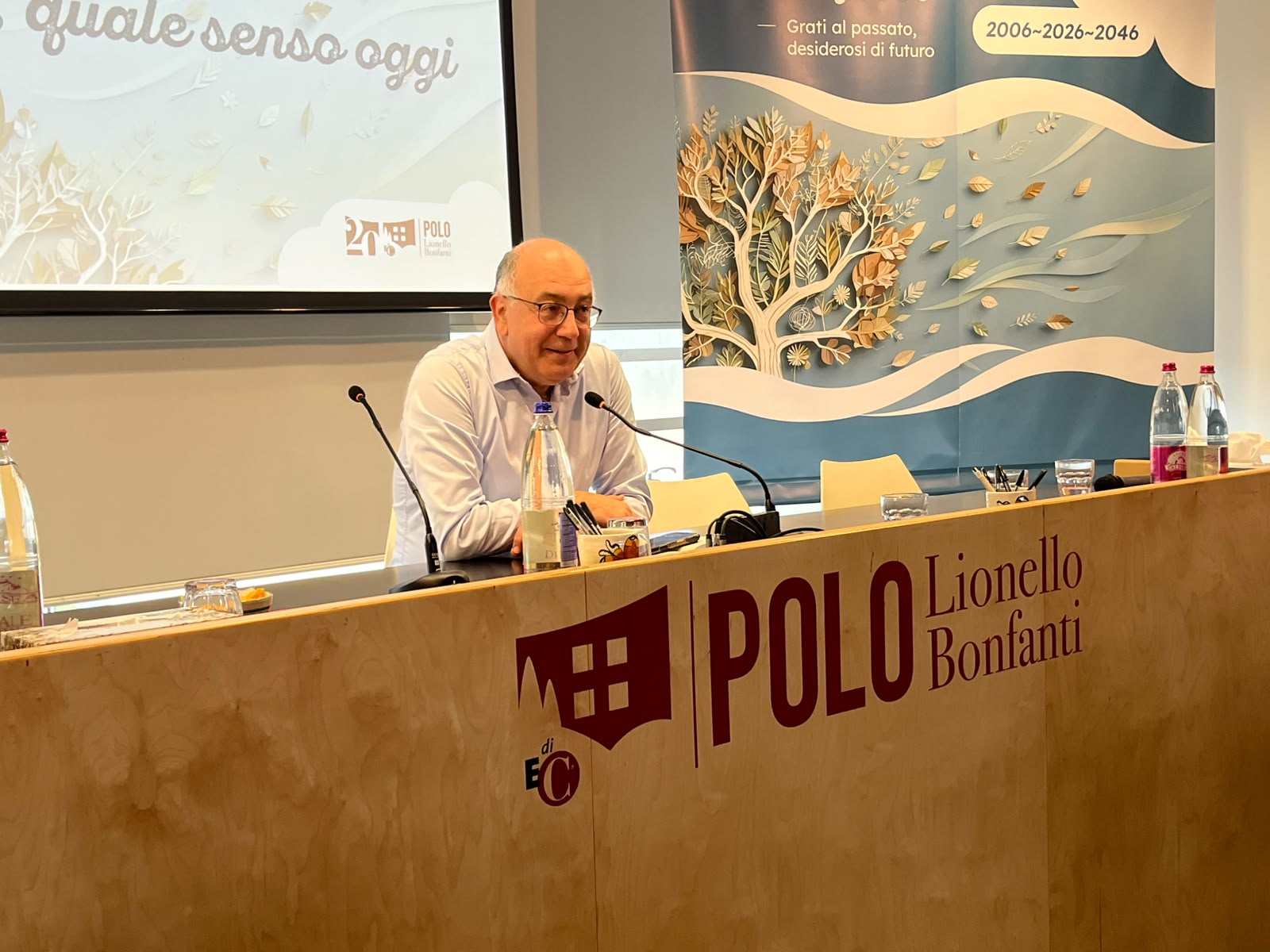
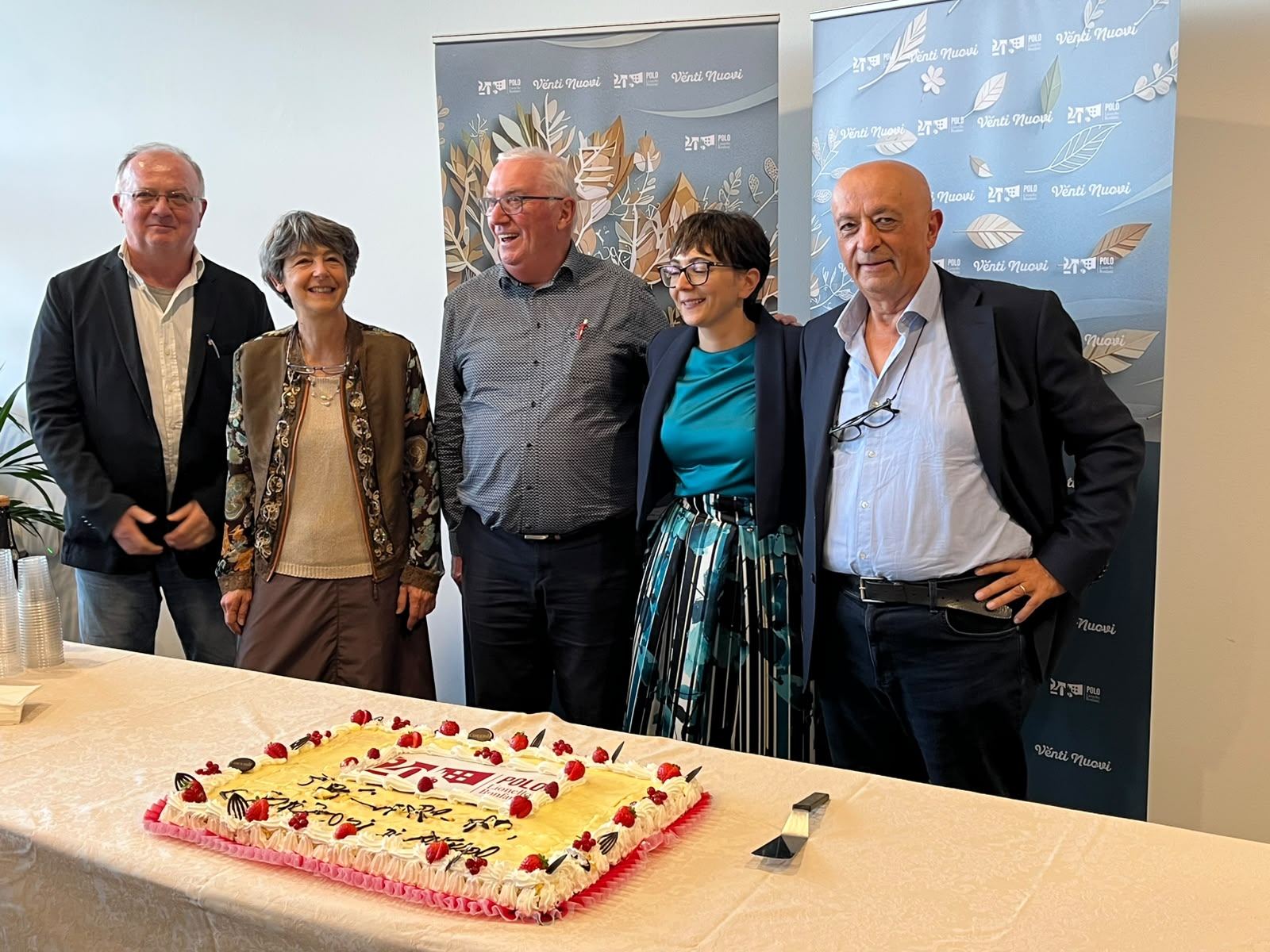
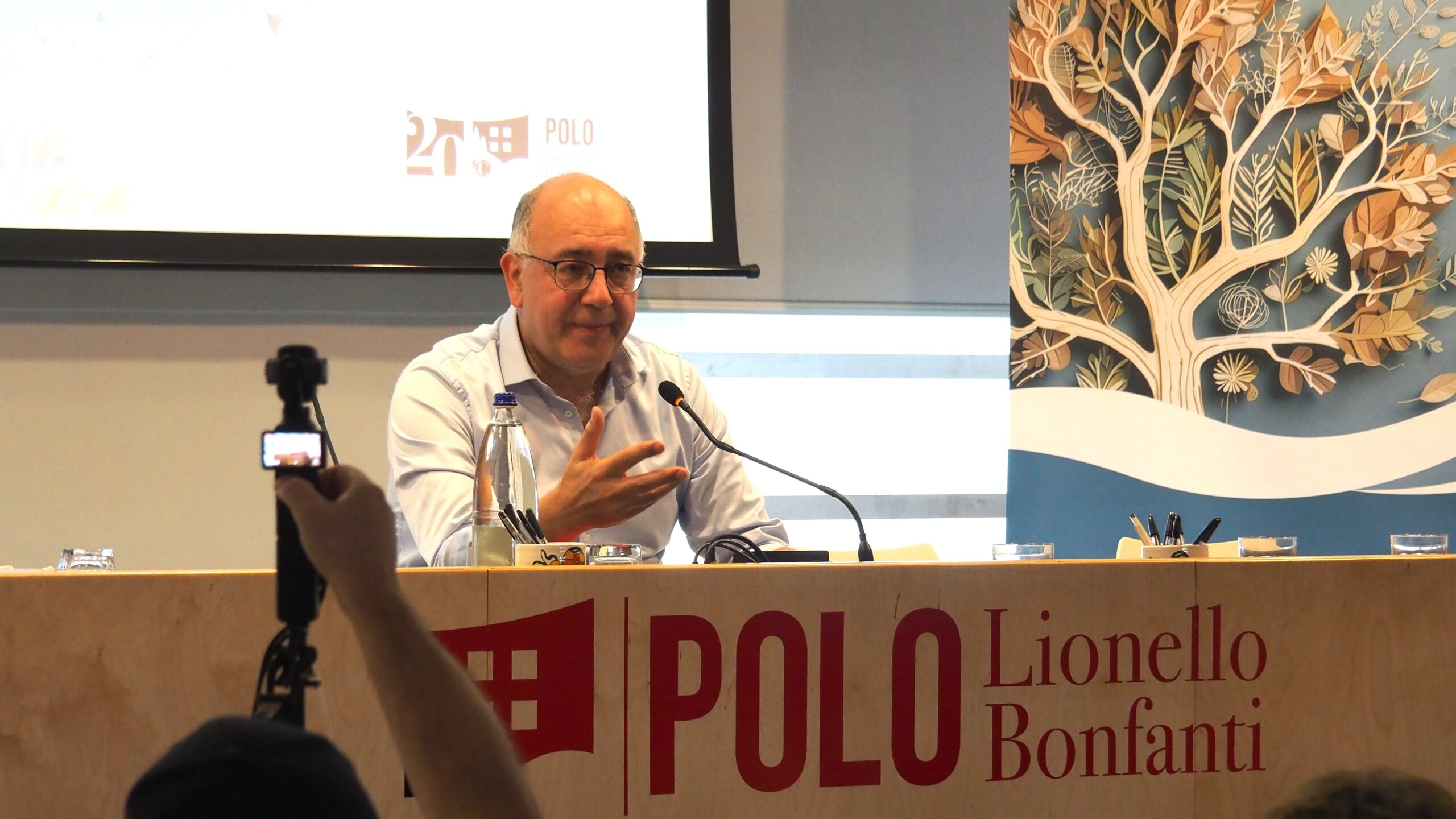
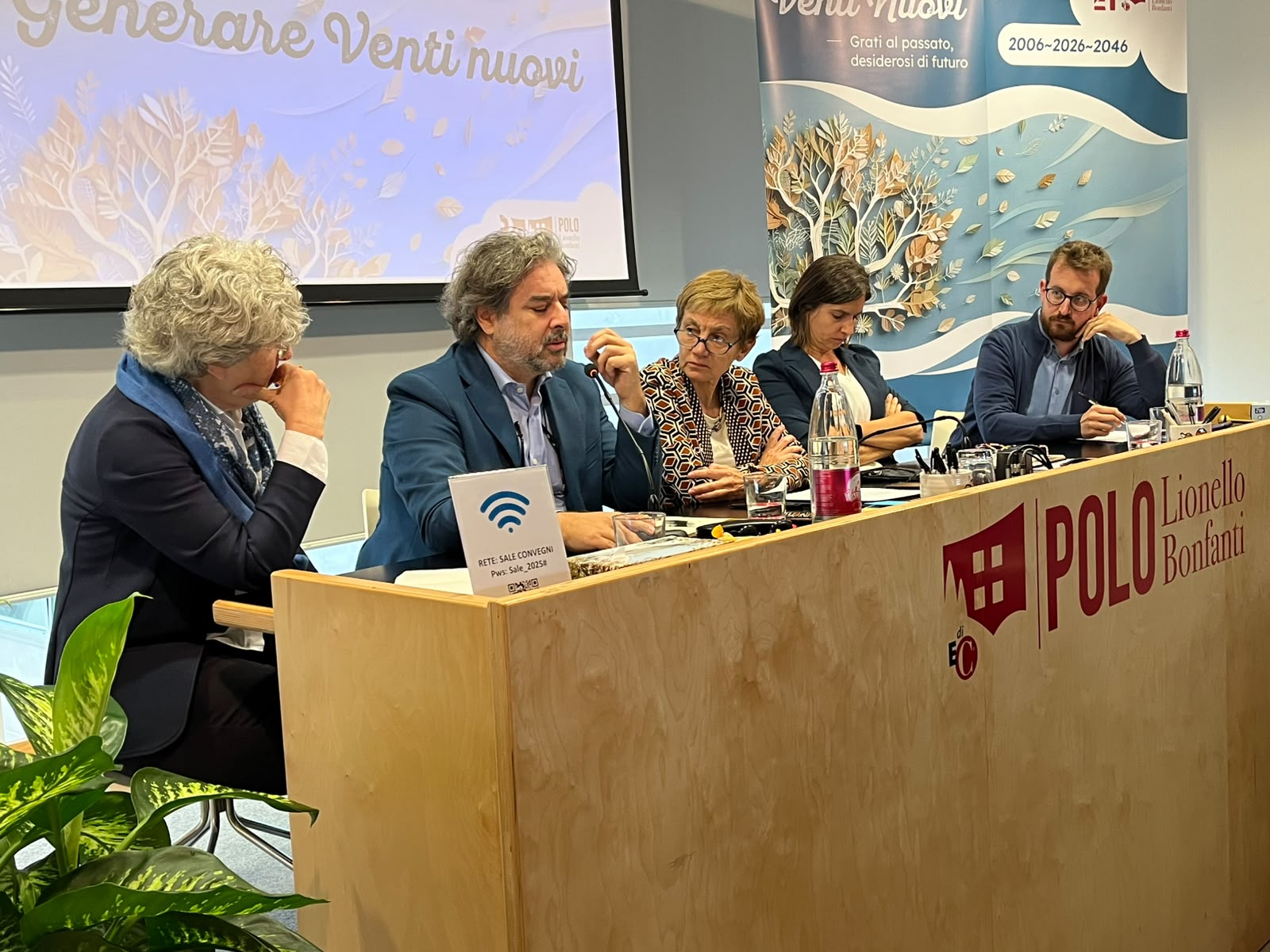
Alberto Ferrucci, a Genoese entrepreneur, one of the key figures in the founding of the EoC, emphasised that these are not merely recent developments, recalling that even before 1991, entrepreneurs close to the Focolare Movement had already committed themselves to a different kind of economy. Marco Girardo, editor-in-chief of Avvenire, also pointed out that ‘people are more open to the common good than it might appear’.
‘Let us not forget that the EoC did not arise out of a need. It would not exist if Chiara Lubich had not received a charism from the Holy Spirit,’ clarified the economist Luigino Bruni, who was called upon by the founder of the Focolare Movement in the 1990s to lend scientific credibility to the EoC, together with Ferrucci and the economist Benedetto Gui.“The future is already written in the present of the Centre,” Bruni assured. “It will come to pass because it is the fruit of a charism. And a charism is a seed that contains the tree within it, but no one knows what the tree will be like.” He called for fidelity. “To remain faithful to the questions posed by the charism of the EoC, we must have the courage to seek new answers suited to the changing times.”
Looking to the future, Zamagni pointed out that a further task is needed: that of “managing to influence the rules of institutions to subvert the dominant single mindset, by establishing a relationship with the institutions”. The same suggestion came from the politician Rosy Bindi: “Your prophetic experience, together with others, faces the great challenge of engaging with those in power. The Polo is micro, but what you are doing is macro. You must act as a battering ram to forge a permanent relationship with political and economic institutions.”
New winds blowing in new directions. “We have chosen the wind as a symbol of these days, because of the new developments it always brings,” summarised Maria Gaglione, the Centre’s managing director.
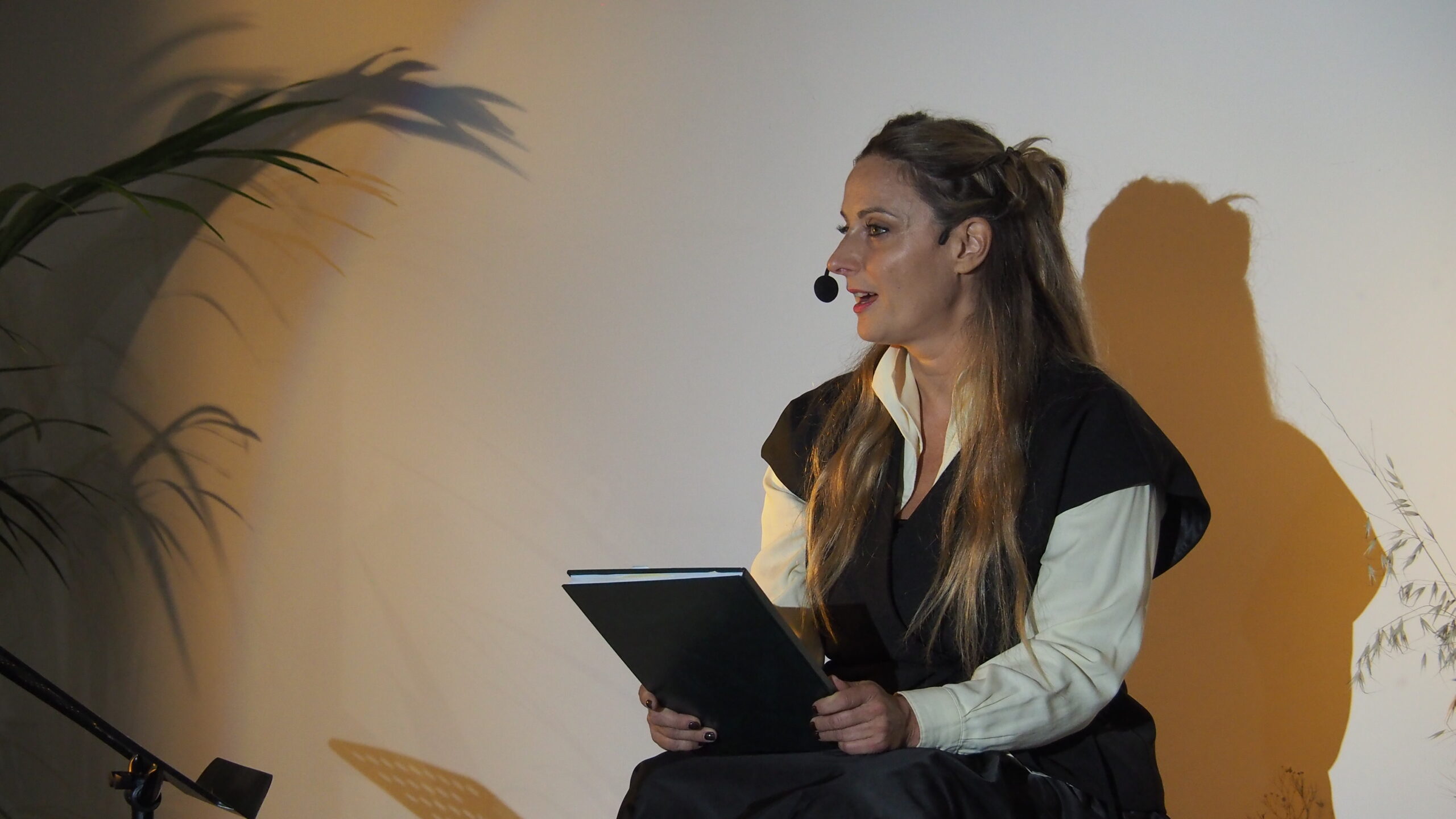
“The Centre aims to continue being a place where different winds converge – those of research, business, culture, art and social commitment – so that from their convergence, new questions, new relationships and shared paths may emerge.”